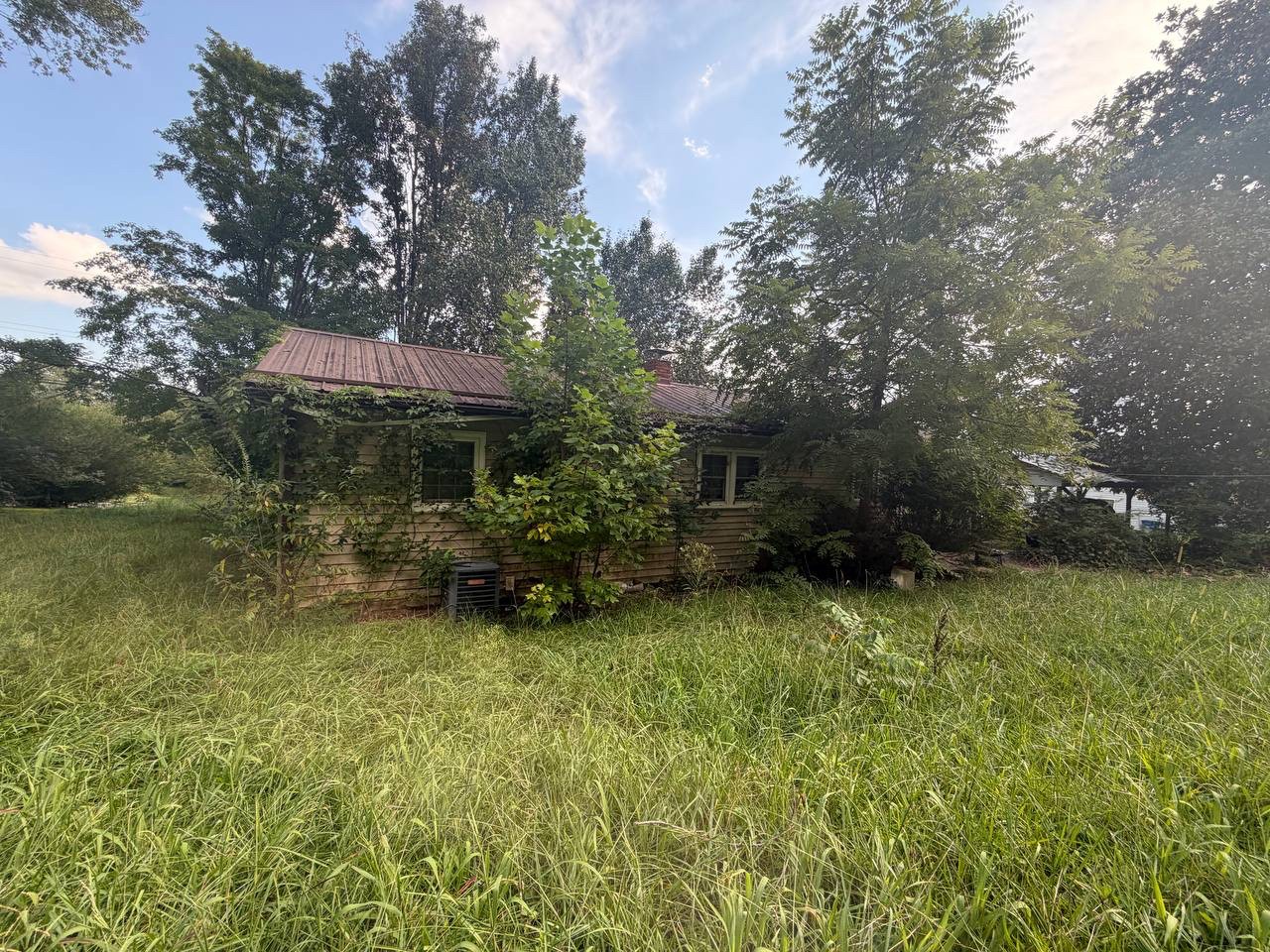

If you’re thinking about selling a house in North Carolina, the latest new home numbers are worth a few minutes of your time. Fewer new homes sold in September, builders are leaning toward smaller and cheaper houses, and more than a quarter of sellers of existing homes cut their asking price.
The short version: this isn’t a reason to panic, but buyers have more choices than they did. A move-in-ready house in a good location should still do well. An older house that needs work is the one most likely to feel the pressure.
What the September Numbers Say
These figures are for the whole country and come from Zillow Research’s September new home sales report, published October 27, 2026.
| National measure | September 2026 | Compared with a year ago |
|---|---|---|
| New home sales (yearly pace) | 676,000 | Down 5.3% |
| Median price of new homes sold | $400,400 | Down 3.9% |
| New homes for sale | 476,000 | Down 2.3% |
| Months to sell that supply | 8.4 | Up from 8.2 |
| New homes sold under $500,000 | 70% | Up from 66% |
Zillow also reports that existing homes for sale were up 2.5% from a year earlier, the 34th month in a row of annual increases, and that mortgage rates went above 7% in September.
Put simply, borrowing is expensive, so buyers are shopping lower in price. Builders are responding with smaller homes and by slowing new construction. And sellers of existing homes now have more competition from each other as well as from builders.
What This Means in North Carolina
The report doesn’t break these numbers down by state, and North Carolina isn’t one market. The pressure depends a lot on where your house is.
Growing suburbs and the coast
Around Charlotte and Raleigh, and in growing coastal areas near Wilmington, an older house can sit a short drive from a new subdivision. A builder may also offer help with closing costs or the interest rate. So a buyer looking at your house may be comparing it with a brand-new one that has a warranty.
Mountains, foothills and small towns
In places like Morganton, Forest City and many smaller towns, you may have less new construction nearby. Your competition is more likely to be other existing homes, and the bigger hurdle is often condition, along with whether the buyer can get a loan on the house.
Check your own area. Before you set a price, look at three things within a mile or two of your house: how long similar homes are taking to sell, how many have cut their price, and whether anyone is building new homes nearby.
What to Do, Based on Your House
Your house is in good shape
You’re likely in the best position. List it with a good local agent and price it from recent sales, not from what a neighbor got at the peak. Pricing right from the first week usually beats cutting the price later.
It’s solid but dated
This is where new homes compete hardest. Fix what a home inspector would flag and what buyers notice first. Before you pay for a full remodel, ask an agent which updates would actually pay for themselves in your neighborhood.
It needs major repairs
Roof, foundation, HVAC or water damage can shrink your pool of buyers, because some loans won’t go through until the problems are fixed. Get a real repair estimate, then compare two numbers: what you’d keep after repairing and listing, and what you’d get selling as-is.
You have a deadline
With a foreclosure date, an estate to settle or a job move, time matters more than market trends. Our post on stopping foreclosure in North Carolina explains the process and the options.
Three NC Details That Matter More Now
- Due diligence: On the standard NC purchase contract, the buyer can walk away for any reason during the due diligence period. When buyers have other options, a signed contract is not the same as a sale. Don’t count on the money until closing.
- Excise tax: NC charges $1 per $500 of the sale price, usually paid by the seller. On a $300,000 sale, that’s $600.
- Closing attorney: NC closings are handled by an attorney. Use one you can reach with questions, especially if there are liens, heirs or back taxes involved.
What Waiting Really Costs
Many sellers compare today’s price with the price they hope for later, but forget the bills in between. Here’s an example. Say your mortgage, taxes, insurance and utilities come to $1,800 a month:
| Extra time on the market | Cost at $1,800/month |
|---|---|
| 3 months | $5,400 |
| 6 months | $10,800 |
| 12 months | $21,600 |
Use your own monthly number. If waiting six months costs $10,800, you’d need the higher price to beat that just to break even, and a house that’s getting worse makes that harder.
When a Cash Sale Fits, and When It Doesn’t
A cash offer will usually be lower than a retail price for a fixed-up house. We explain why in how much cash home buyers really pay, and how to check an offer in why cash buyers lowball. It can still be the right choice when:
- The house needs repairs you can’t or don’t want to pay for, like the Morganton house we bought before its auction date.
- A foreclosure date is close, as with the Hendersonville sale that closed three days before auction.
- You inherited the house, or it’s already been on the market for months.
If your house is in good shape and you have time, listing will often put more money in your pocket, and we’ll tell you that.
“One national report doesn’t tell you what your house is worth. Your condition, your street and your deadline matter more.” — Daniel Ghinda, Acorn House Acquisition
Want to compare your options? Try our Offer Calculator, call (786) 982-8464, or request a free cash offer. No pressure, no obligation. We buy across North Carolina.
Frequently Asked Questions
This article is general information, not legal, tax or financial advice. National figures are from Zillow Research and may not reflect your local market.